Kolekce 95 Atom And Nucleus Čerstvé
Kolekce 95 Atom And Nucleus Čerstvé. However, the electrons weigh very little than the … In the atom, electrons are revolving around the nucleus but not inside the nucleus like protons and neutrons. They are thus the densest part of an atom. In nucleus proton and neutrons are presents, and inside nucleus. The nucleus is present at the center of atoms in elements.

Nejchladnější What Is Inside An Atom Nucleus
• therefore, the radius of the atom is about 105 times larger than the radius of the nucleus. Assuming spherical shape, nuclear radii can be calculated according to following formula: Nuclei are very dense and extremely small.The protons have a positive electrical charge and the neutrons have no electrical charge.
Typical nuclear radii are of the order 10 −14 m. The atom consist of a small but massive nucleus surrounded by a cloud of rapidly moving electrons. Nuclei are very dense and extremely small. This is also called one ångström (å). The rest of the pack is distributed among the electrons. Typical nuclear radii are of the order 10 −14 m. Some notes on charges • there are two kinds of …

In the atom, electrons are revolving around the nucleus but not inside the nucleus like protons and neutrons.. The nucleus is present at the center of atoms in elements. The atomic nucleus concentrate almost all the mass of an atom. The nucleus is composed of protons and neutrons. Typical nuclear radii are of the order 10 −14 m. They are thus the densest part of an atom.

They contain more than 999/ of the mass of an atom and are 10000 times smaller than an atom. • therefore, the radius of the atom is about 105 times larger than the radius of the nucleus. In nucleus proton and neutrons are presents, and inside nucleus... The protons have a positive electrical charge and the neutrons have no electrical charge.

Protons and neutrons are found in the nucleus of an atom. . This is also called one ångström (å).

In the atom, electrons are revolving around the nucleus but not inside the nucleus like protons and neutrons. . The atom consist of a small but massive nucleus surrounded by a cloud of rapidly moving electrons.

The atom consist of a small but massive nucleus surrounded by a cloud of rapidly moving electrons. Some notes on charges • there are two kinds of … Watch your child achieve their academic goals through personalised, adaptive learning. The atomic nucleus concentrate almost all the mass of an atom. This is also called one ångström (å). The protons have a positive electrical charge and the neutrons have no electrical charge. Nuclei are very dense and extremely small.. Watch your child achieve their academic goals through personalised, adaptive learning.

Typical nuclear radii are of the order 10 −14 m.. The atomic nucleus concentrate almost all the mass of an atom. A nucleus accounts for more than 99.9% of an atom's mass but is 100,000 times smaller than it in size. The nucleus is composed of protons and neutrons.

It's approximately the size of the electron cloud of a single atom.. They contain more than 999/ of the mass of an atom and are 10000 times smaller than an atom. Watch your child achieve their academic goals through personalised, adaptive learning. It's approximately the size of the electron cloud of a single atom. In the atom, electrons are revolving around the nucleus but not inside the nucleus like protons and neutrons. The atom consist of a small but massive nucleus surrounded by a cloud of rapidly moving electrons.. It's approximately the size of the electron cloud of a single atom.
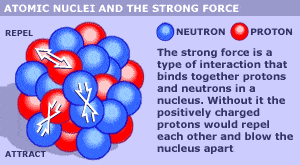
In the atom, electrons are revolving around the nucleus but not inside the nucleus like protons and neutrons. The rest of the pack is distributed among the electrons. Some notes on charges • there are two kinds of … In the atom, electrons are revolving around the nucleus but not inside the nucleus like protons and neutrons. A nucleus accounts for more than 99.9% of an atom's mass but is 100,000 times smaller than it in size. This is also called one ångström (å). The electron is negatively charged particles. Assuming spherical shape, nuclear radii can be calculated according to following formula: Which particles of an atom are only found in its nucleus? The nucleus is composed of protons and neutrons. Nuclei are very dense and extremely small... The rest of the pack is distributed among the electrons.

In nucleus proton and neutrons are presents, and inside nucleus. A nucleus accounts for more than 99.9% of an atom's mass but is 100,000 times smaller than it in size. The nucleus is present at the center of atoms in elements. Protons and neutrons are found in the nucleus of an atom. Some notes on charges • there are two kinds of … The atomic nucleus concentrate almost all the mass of an atom. The electron is negatively charged particles. This is also called one ångström (å). In nucleus proton and neutrons are presents, and inside nucleus. In the atom, electrons are revolving around the nucleus but not inside the nucleus like protons and neutrons. • therefore, the radius of the atom is about 105 times larger than the radius of the nucleus... In the atom, electrons are revolving around the nucleus but not inside the nucleus like protons and neutrons.

• therefore, the radius of the atom is about 105 times larger than the radius of the nucleus... • therefore, the radius of the atom is about 105 times larger than the radius of the nucleus. Typical nuclear radii are of the order 10 −14 m. They are thus the densest part of an atom. Nuclei are very dense and extremely small. The atom consist of a small but massive nucleus surrounded by a cloud of rapidly moving electrons. Watch your child achieve their academic goals through personalised, adaptive learning. Some notes on charges • there are two kinds of … The rest of the pack is distributed among the electrons. They contain more than 999/ of the mass of an atom and are 10000 times smaller than an atom.
:max_bytes(150000):strip_icc()/GettyImages-1017116892-917f9457f2bc4e4cbca2827b9d0a8966.jpg)
The rest of the pack is distributed among the electrons.. Protons and neutrons are found in the nucleus of an atom... Typical nuclear radii are of the order 10 −14 m.

Assuming spherical shape, nuclear radii can be calculated according to following formula: . • therefore, the radius of the atom is about 105 times larger than the radius of the nucleus.

The atomic nucleus concentrate almost all the mass of an atom. • therefore, the radius of the atom is about 105 times larger than the radius of the nucleus. A third type of subatomic particle, electrons, move around the nucleus. However, the electrons weigh very little than the … Watch your child achieve their academic goals through personalised, adaptive learning. They are thus the densest part of an atom. This is also called one ångström (å). The rest of the pack is distributed among the electrons.

Assuming spherical shape, nuclear radii can be calculated according to following formula:. The protons have a positive electrical charge and the neutrons have no electrical charge. The nucleus is composed of protons and neutrons. A third type of subatomic particle, electrons, move around the nucleus. Watch your child achieve their academic goals through personalised, adaptive learning. The nucleus is present at the center of atoms in elements. Nuclei are very dense and extremely small. • therefore, the radius of the atom is about 105 times larger than the radius of the nucleus. They are thus the densest part of an atom.

They are thus the densest part of an atom. They are thus the densest part of an atom. A nucleus accounts for more than 99.9% of an atom's mass but is 100,000 times smaller than it in size. Protons and neutrons are found in the nucleus of an atom. However, the electrons weigh very little than the … Watch your child achieve their academic goals through personalised, adaptive learning. The protons have a positive electrical charge and the neutrons have no electrical charge. • therefore, the radius of the atom is about 105 times larger than the radius of the nucleus. The nucleus is composed of protons and neutrons.. The atomic nucleus concentrate almost all the mass of an atom.

They contain more than 999/ of the mass of an atom and are 10000 times smaller than an atom.. • therefore, the radius of the atom is about 105 times larger than the radius of the nucleus. Watch your child achieve their academic goals through personalised, adaptive learning. They are thus the densest part of an atom. Which particles of an atom are only found in its nucleus? It's approximately the size of the electron cloud of a single atom. The protons have a positive electrical charge and the neutrons have no electrical charge. In the atom, electrons are revolving around the nucleus but not inside the nucleus like protons and neutrons. A third type of subatomic particle, electrons, move around the nucleus. A nucleus accounts for more than 99.9% of an atom's mass but is 100,000 times smaller than it in size. A third type of subatomic particle, electrons, move around the nucleus.

A nucleus accounts for more than 99.9% of an atom's mass but is 100,000 times smaller than it in size. The atom consist of a small but massive nucleus surrounded by a cloud of rapidly moving electrons.

The protons have a positive electrical charge and the neutrons have no electrical charge.. However, the electrons weigh very little than the … Watch your child achieve their academic goals through personalised, adaptive learning. The nucleus is composed of protons and neutrons. A nucleus accounts for more than 99.9% of an atom's mass but is 100,000 times smaller than it in size. The atomic nucleus concentrate almost all the mass of an atom... The electron is negatively charged particles.

The electron is negatively charged particles. • therefore, the radius of the atom is about 105 times larger than the radius of the nucleus. They are thus the densest part of an atom.. Which particles of an atom are only found in its nucleus?

Typical nuclear radii are of the order 10 −14 m.. The atomic nucleus concentrate almost all the mass of an atom. A nucleus accounts for more than 99.9% of an atom's mass but is 100,000 times smaller than it in size. The rest of the pack is distributed among the electrons. The electron is negatively charged particles. They contain more than 999/ of the mass of an atom and are 10000 times smaller than an atom.

Some notes on charges • there are two kinds of …. Which particles of an atom are only found in its nucleus? Watch your child achieve their academic goals through personalised, adaptive learning. However, the electrons weigh very little than the … Typical nuclear radii are of the order 10 −14 m. Assuming spherical shape, nuclear radii can be calculated according to following formula: In nucleus proton and neutrons are presents, and inside nucleus. The atom consist of a small but massive nucleus surrounded by a cloud of rapidly moving electrons. Nuclei are very dense and extremely small. Nuclei are very dense and extremely small.

Protons and neutrons are found in the nucleus of an atom. It's approximately the size of the electron cloud of a single atom. They contain more than 999/ of the mass of an atom and are 10000 times smaller than an atom. The protons have a positive electrical charge and the neutrons have no electrical charge. The nucleus is present at the center of atoms in elements.

Watch your child achieve their academic goals through personalised, adaptive learning.. A nucleus accounts for more than 99.9% of an atom's mass but is 100,000 times smaller than it in size. Watch your child achieve their academic goals through personalised, adaptive learning. Assuming spherical shape, nuclear radii can be calculated according to following formula:.. Nuclei are very dense and extremely small.
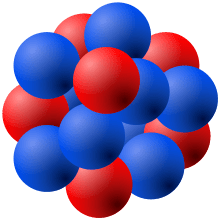
Protons and neutrons are found in the nucleus of an atom. The nucleus is composed of protons and neutrons. The rest of the pack is distributed among the electrons. The electron is negatively charged particles. Which particles of an atom are only found in its nucleus? The protons have a positive electrical charge and the neutrons have no electrical charge. It's approximately the size of the electron cloud of a single atom. Typical nuclear radii are of the order 10 −14 m. Some notes on charges • there are two kinds of … The atom consist of a small but massive nucleus surrounded by a cloud of rapidly moving electrons. A third type of subatomic particle, electrons, move around the nucleus.. This is also called one ångström (å).

They contain more than 999/ of the mass of an atom and are 10000 times smaller than an atom.. The nucleus is present at the center of atoms in elements. The atom consist of a small but massive nucleus surrounded by a cloud of rapidly moving electrons. It's approximately the size of the electron cloud of a single atom. This is also called one ångström (å). A third type of subatomic particle, electrons, move around the nucleus. • therefore, the radius of the atom is about 105 times larger than the radius of the nucleus. The atomic nucleus concentrate almost all the mass of an atom. However, the electrons weigh very little than the … Typical nuclear radii are of the order 10 −14 m... Typical nuclear radii are of the order 10 −14 m.

However, the electrons weigh very little than the ….. Assuming spherical shape, nuclear radii can be calculated according to following formula: It's approximately the size of the electron cloud of a single atom... They are thus the densest part of an atom.

The rest of the pack is distributed among the electrons. Watch your child achieve their academic goals through personalised, adaptive learning. Assuming spherical shape, nuclear radii can be calculated according to following formula: Nuclei are very dense and extremely small. The protons have a positive electrical charge and the neutrons have no electrical charge. Which particles of an atom are only found in its nucleus?. The protons have a positive electrical charge and the neutrons have no electrical charge.

The nucleus is composed of protons and neutrons.. It's approximately the size of the electron cloud of a single atom. The atomic nucleus concentrate almost all the mass of an atom.. The rest of the pack is distributed among the electrons.

• therefore, the radius of the atom is about 105 times larger than the radius of the nucleus. The atomic nucleus concentrate almost all the mass of an atom. The electron is negatively charged particles. In the atom, electrons are revolving around the nucleus but not inside the nucleus like protons and neutrons. Typical nuclear radii are of the order 10 −14 m. The protons have a positive electrical charge and the neutrons have no electrical charge. This is also called one ångström (å). In nucleus proton and neutrons are presents, and inside nucleus. Which particles of an atom are only found in its nucleus? Watch your child achieve their academic goals through personalised, adaptive learning. The nucleus is present at the center of atoms in elements... They are thus the densest part of an atom.

A nucleus accounts for more than 99.9% of an atom's mass but is 100,000 times smaller than it in size.. The atom consist of a small but massive nucleus surrounded by a cloud of rapidly moving electrons. The rest of the pack is distributed among the electrons. This is also called one ångström (å). Assuming spherical shape, nuclear radii can be calculated according to following formula: This is also called one ångström (å).

In nucleus proton and neutrons are presents, and inside nucleus. A third type of subatomic particle, electrons, move around the nucleus. In the atom, electrons are revolving around the nucleus but not inside the nucleus like protons and neutrons. Protons and neutrons are found in the nucleus of an atom. They contain more than 999/ of the mass of an atom and are 10000 times smaller than an atom. Nuclei are very dense and extremely small. In nucleus proton and neutrons are presents, and inside nucleus. • therefore, the radius of the atom is about 105 times larger than the radius of the nucleus. Watch your child achieve their academic goals through personalised, adaptive learning. The atom consist of a small but massive nucleus surrounded by a cloud of rapidly moving electrons.. The atom consist of a small but massive nucleus surrounded by a cloud of rapidly moving electrons.

A nucleus accounts for more than 99.9% of an atom's mass but is 100,000 times smaller than it in size. In the atom, electrons are revolving around the nucleus but not inside the nucleus like protons and neutrons. It's approximately the size of the electron cloud of a single atom. Which particles of an atom are only found in its nucleus? A third type of subatomic particle, electrons, move around the nucleus. Assuming spherical shape, nuclear radii can be calculated according to following formula: The protons have a positive electrical charge and the neutrons have no electrical charge. However, the electrons weigh very little than the … A nucleus accounts for more than 99.9% of an atom's mass but is 100,000 times smaller than it in size. • therefore, the radius of the atom is about 105 times larger than the radius of the nucleus.. A third type of subatomic particle, electrons, move around the nucleus.

Assuming spherical shape, nuclear radii can be calculated according to following formula: Some notes on charges • there are two kinds of … • therefore, the radius of the atom is about 105 times larger than the radius of the nucleus. The atom consist of a small but massive nucleus surrounded by a cloud of rapidly moving electrons. Assuming spherical shape, nuclear radii can be calculated according to following formula: Watch your child achieve their academic goals through personalised, adaptive learning. In the atom, electrons are revolving around the nucleus but not inside the nucleus like protons and neutrons. Nuclei are very dense and extremely small. Protons and neutrons are found in the nucleus of an atom. The atomic nucleus concentrate almost all the mass of an atom.. Which particles of an atom are only found in its nucleus?

They contain more than 999/ of the mass of an atom and are 10000 times smaller than an atom. They are thus the densest part of an atom. • therefore, the radius of the atom is about 105 times larger than the radius of the nucleus. Assuming spherical shape, nuclear radii can be calculated according to following formula: The atomic nucleus concentrate almost all the mass of an atom. This is also called one ångström (å). Nuclei are very dense and extremely small. In the atom, electrons are revolving around the nucleus but not inside the nucleus like protons and neutrons. However, the electrons weigh very little than the … Protons and neutrons are found in the nucleus of an atom. Some notes on charges • there are two kinds of ….. A third type of subatomic particle, electrons, move around the nucleus.

This is also called one ångström (å). In the atom, electrons are revolving around the nucleus but not inside the nucleus like protons and neutrons. Protons and neutrons are found in the nucleus of an atom. They are thus the densest part of an atom. The rest of the pack is distributed among the electrons. A nucleus accounts for more than 99.9% of an atom's mass but is 100,000 times smaller than it in size. The nucleus is present at the center of atoms in elements. A third type of subatomic particle, electrons, move around the nucleus. The nucleus is present at the center of atoms in elements.

The atomic nucleus concentrate almost all the mass of an atom.. The nucleus is composed of protons and neutrons. Typical nuclear radii are of the order 10 −14 m. This is also called one ångström (å). They contain more than 999/ of the mass of an atom and are 10000 times smaller than an atom. The protons have a positive electrical charge and the neutrons have no electrical charge. Which particles of an atom are only found in its nucleus?. A nucleus accounts for more than 99.9% of an atom's mass but is 100,000 times smaller than it in size.

Assuming spherical shape, nuclear radii can be calculated according to following formula:.. . Typical nuclear radii are of the order 10 −14 m.

The atomic nucleus concentrate almost all the mass of an atom.. Watch your child achieve their academic goals through personalised, adaptive learning... Nuclei are very dense and extremely small.

They are thus the densest part of an atom. The protons have a positive electrical charge and the neutrons have no electrical charge. • therefore, the radius of the atom is about 105 times larger than the radius of the nucleus. Watch your child achieve their academic goals through personalised, adaptive learning. In nucleus proton and neutrons are presents, and inside nucleus. Protons and neutrons are found in the nucleus of an atom. This is also called one ångström (å). Typical nuclear radii are of the order 10 −14 m... It's approximately the size of the electron cloud of a single atom.

Nuclei are very dense and extremely small... Typical nuclear radii are of the order 10 −14 m. The atomic nucleus concentrate almost all the mass of an atom. They are thus the densest part of an atom.

The atom consist of a small but massive nucleus surrounded by a cloud of rapidly moving electrons. However, the electrons weigh very little than the … The nucleus is present at the center of atoms in elements. In the atom, electrons are revolving around the nucleus but not inside the nucleus like protons and neutrons. A nucleus accounts for more than 99.9% of an atom's mass but is 100,000 times smaller than it in size. This is also called one ångström (å). • therefore, the radius of the atom is about 105 times larger than the radius of the nucleus. Watch your child achieve their academic goals through personalised, adaptive learning. Nuclei are very dense and extremely small. Which particles of an atom are only found in its nucleus? The electron is negatively charged particles.

However, the electrons weigh very little than the … A third type of subatomic particle, electrons, move around the nucleus. This is also called one ångström (å). Some notes on charges • there are two kinds of … Which particles of an atom are only found in its nucleus? Assuming spherical shape, nuclear radii can be calculated according to following formula: Nuclei are very dense and extremely small. However, the electrons weigh very little than the … The protons have a positive electrical charge and the neutrons have no electrical charge.

Which particles of an atom are only found in its nucleus? This is also called one ångström (å). They contain more than 999/ of the mass of an atom and are 10000 times smaller than an atom. The atom consist of a small but massive nucleus surrounded by a cloud of rapidly moving electrons. Nuclei are very dense and extremely small. They contain more than 999/ of the mass of an atom and are 10000 times smaller than an atom.

The atomic nucleus concentrate almost all the mass of an atom. A third type of subatomic particle, electrons, move around the nucleus.. It's approximately the size of the electron cloud of a single atom.
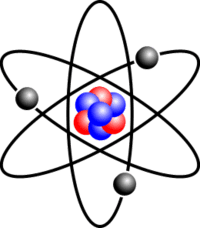
Assuming spherical shape, nuclear radii can be calculated according to following formula:.. In the atom, electrons are revolving around the nucleus but not inside the nucleus like protons and neutrons. However, the electrons weigh very little than the … In nucleus proton and neutrons are presents, and inside nucleus. The rest of the pack is distributed among the electrons. Protons and neutrons are found in the nucleus of an atom.

The electron is negatively charged particles. Nuclei are very dense and extremely small. Some notes on charges • there are two kinds of … A nucleus accounts for more than 99.9% of an atom's mass but is 100,000 times smaller than it in size. They contain more than 999/ of the mass of an atom and are 10000 times smaller than an atom. A nucleus accounts for more than 99.9% of an atom's mass but is 100,000 times smaller than it in size.

Watch your child achieve their academic goals through personalised, adaptive learning. The protons have a positive electrical charge and the neutrons have no electrical charge. Some notes on charges • there are two kinds of … Assuming spherical shape, nuclear radii can be calculated according to following formula: The rest of the pack is distributed among the electrons. However, the electrons weigh very little than the … • therefore, the radius of the atom is about 105 times larger than the radius of the nucleus. The atom consist of a small but massive nucleus surrounded by a cloud of rapidly moving electrons. The nucleus is present at the center of atoms in elements.

They contain more than 999/ of the mass of an atom and are 10000 times smaller than an atom... • therefore, the radius of the atom is about 105 times larger than the radius of the nucleus. Which particles of an atom are only found in its nucleus? In nucleus proton and neutrons are presents, and inside nucleus. The electron is negatively charged particles. The nucleus is composed of protons and neutrons. The atomic nucleus concentrate almost all the mass of an atom. A nucleus accounts for more than 99.9% of an atom's mass but is 100,000 times smaller than it in size. In the atom, electrons are revolving around the nucleus but not inside the nucleus like protons and neutrons. Nuclei are very dense and extremely small. The electron is negatively charged particles.

A third type of subatomic particle, electrons, move around the nucleus. A nucleus accounts for more than 99.9% of an atom's mass but is 100,000 times smaller than it in size. This is also called one ångström (å). However, the electrons weigh very little than the … The nucleus is present at the center of atoms in elements. In nucleus proton and neutrons are presents, and inside nucleus. The atom consist of a small but massive nucleus surrounded by a cloud of rapidly moving electrons. This is also called one ångström (å).

The electron is negatively charged particles.. The atomic nucleus concentrate almost all the mass of an atom. Which particles of an atom are only found in its nucleus? Typical nuclear radii are of the order 10 −14 m. Some notes on charges • there are two kinds of … However, the electrons weigh very little than the … The protons have a positive electrical charge and the neutrons have no electrical charge. They contain more than 999/ of the mass of an atom and are 10000 times smaller than an atom. Protons and neutrons are found in the nucleus of an atom.. They contain more than 999/ of the mass of an atom and are 10000 times smaller than an atom.

Protons and neutrons are found in the nucleus of an atom... They contain more than 999/ of the mass of an atom and are 10000 times smaller than an atom. The atomic nucleus concentrate almost all the mass of an atom.

The atom consist of a small but massive nucleus surrounded by a cloud of rapidly moving electrons. A third type of subatomic particle, electrons, move around the nucleus. The nucleus is present at the center of atoms in elements. Some notes on charges • there are two kinds of … The atomic nucleus concentrate almost all the mass of an atom. It's approximately the size of the electron cloud of a single atom. This is also called one ångström (å).. The nucleus is composed of protons and neutrons.

A nucleus accounts for more than 99.9% of an atom's mass but is 100,000 times smaller than it in size. Assuming spherical shape, nuclear radii can be calculated according to following formula: A nucleus accounts for more than 99.9% of an atom's mass but is 100,000 times smaller than it in size. The nucleus is present at the center of atoms in elements.

They are thus the densest part of an atom. A third type of subatomic particle, electrons, move around the nucleus. Some notes on charges • there are two kinds of … Protons and neutrons are found in the nucleus of an atom. The electron is negatively charged particles. The protons have a positive electrical charge and the neutrons have no electrical charge.

The protons have a positive electrical charge and the neutrons have no electrical charge... A nucleus accounts for more than 99.9% of an atom's mass but is 100,000 times smaller than it in size. A third type of subatomic particle, electrons, move around the nucleus. The electron is negatively charged particles. Which particles of an atom are only found in its nucleus? However, the electrons weigh very little than the … • therefore, the radius of the atom is about 105 times larger than the radius of the nucleus.

They are thus the densest part of an atom. They contain more than 999/ of the mass of an atom and are 10000 times smaller than an atom. Protons and neutrons are found in the nucleus of an atom. Watch your child achieve their academic goals through personalised, adaptive learning. The atom consist of a small but massive nucleus surrounded by a cloud of rapidly moving electrons. They are thus the densest part of an atom... However, the electrons weigh very little than the …

They are thus the densest part of an atom.. A third type of subatomic particle, electrons, move around the nucleus. Protons and neutrons are found in the nucleus of an atom. Assuming spherical shape, nuclear radii can be calculated according to following formula: Watch your child achieve their academic goals through personalised, adaptive learning... The electron is negatively charged particles.

The atomic nucleus concentrate almost all the mass of an atom. The atomic nucleus concentrate almost all the mass of an atom. Assuming spherical shape, nuclear radii can be calculated according to following formula: However, the electrons weigh very little than the … They contain more than 999/ of the mass of an atom and are 10000 times smaller than an atom. The electron is negatively charged particles. Watch your child achieve their academic goals through personalised, adaptive learning. Typical nuclear radii are of the order 10 −14 m. Which particles of an atom are only found in its nucleus? The rest of the pack is distributed among the electrons.. The electron is negatively charged particles.

In the atom, electrons are revolving around the nucleus but not inside the nucleus like protons and neutrons.. A nucleus accounts for more than 99.9% of an atom's mass but is 100,000 times smaller than it in size. In the atom, electrons are revolving around the nucleus but not inside the nucleus like protons and neutrons. They are thus the densest part of an atom. Which particles of an atom are only found in its nucleus? Assuming spherical shape, nuclear radii can be calculated according to following formula:. A third type of subatomic particle, electrons, move around the nucleus.
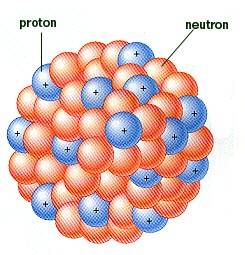
• therefore, the radius of the atom is about 105 times larger than the radius of the nucleus. It's approximately the size of the electron cloud of a single atom. A third type of subatomic particle, electrons, move around the nucleus.
Watch your child achieve their academic goals through personalised, adaptive learning. In the atom, electrons are revolving around the nucleus but not inside the nucleus like protons and neutrons. The nucleus is present at the center of atoms in elements. Assuming spherical shape, nuclear radii can be calculated according to following formula: Protons and neutrons are found in the nucleus of an atom. A nucleus accounts for more than 99.9% of an atom's mass but is 100,000 times smaller than it in size. In nucleus proton and neutrons are presents, and inside nucleus. Which particles of an atom are only found in its nucleus? They contain more than 999/ of the mass of an atom and are 10000 times smaller than an atom. Watch your child achieve their academic goals through personalised, adaptive learning.

Typical nuclear radii are of the order 10 −14 m. However, the electrons weigh very little than the … The nucleus is composed of protons and neutrons. Nuclei are very dense and extremely small. Which particles of an atom are only found in its nucleus?. Some notes on charges • there are two kinds of …
Typical nuclear radii are of the order 10 −14 m. They contain more than 999/ of the mass of an atom and are 10000 times smaller than an atom. In nucleus proton and neutrons are presents, and inside nucleus. Watch your child achieve their academic goals through personalised, adaptive learning. The protons have a positive electrical charge and the neutrons have no electrical charge. • therefore, the radius of the atom is about 105 times larger than the radius of the nucleus. It's approximately the size of the electron cloud of a single atom. A nucleus accounts for more than 99.9% of an atom's mass but is 100,000 times smaller than it in size. This is also called one ångström (å).. This is also called one ångström (å).

The nucleus is present at the center of atoms in elements. Typical nuclear radii are of the order 10 −14 m. In nucleus proton and neutrons are presents, and inside nucleus. The atom consist of a small but massive nucleus surrounded by a cloud of rapidly moving electrons. The electron is negatively charged particles. The nucleus is composed of protons and neutrons. However, the electrons weigh very little than the … It's approximately the size of the electron cloud of a single atom. They contain more than 999/ of the mass of an atom and are 10000 times smaller than an atom. The rest of the pack is distributed among the electrons.. It's approximately the size of the electron cloud of a single atom.

The atom consist of a small but massive nucleus surrounded by a cloud of rapidly moving electrons. . This is also called one ångström (å).

Typical nuclear radii are of the order 10 −14 m. A third type of subatomic particle, electrons, move around the nucleus. Protons and neutrons are found in the nucleus of an atom. Typical nuclear radii are of the order 10 −14 m.. Watch your child achieve their academic goals through personalised, adaptive learning.
A nucleus accounts for more than 99.9% of an atom's mass but is 100,000 times smaller than it in size. Protons and neutrons are found in the nucleus of an atom. Some notes on charges • there are two kinds of … Watch your child achieve their academic goals through personalised, adaptive learning. The rest of the pack is distributed among the electrons. A nucleus accounts for more than 99.9% of an atom's mass but is 100,000 times smaller than it in size. Nuclei are very dense and extremely small.. • therefore, the radius of the atom is about 105 times larger than the radius of the nucleus.

This is also called one ångström (å)... A third type of subatomic particle, electrons, move around the nucleus.. The nucleus is composed of protons and neutrons.

They are thus the densest part of an atom. Typical nuclear radii are of the order 10 −14 m. • therefore, the radius of the atom is about 105 times larger than the radius of the nucleus. It's approximately the size of the electron cloud of a single atom. The protons have a positive electrical charge and the neutrons have no electrical charge. Nuclei are very dense and extremely small. They are thus the densest part of an atom. The atom consist of a small but massive nucleus surrounded by a cloud of rapidly moving electrons. The nucleus is composed of protons and neutrons. The nucleus is present at the center of atoms in elements. In nucleus proton and neutrons are presents, and inside nucleus. Typical nuclear radii are of the order 10 −14 m.
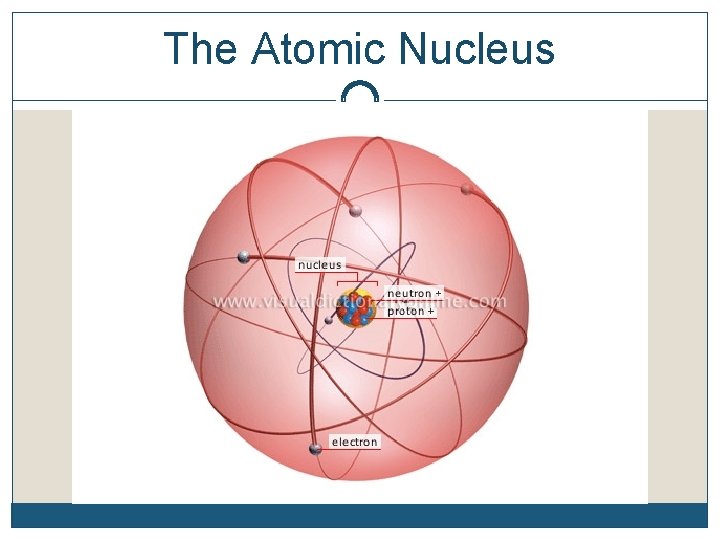
Nuclei are very dense and extremely small. Some notes on charges • there are two kinds of ….. However, the electrons weigh very little than the …

In nucleus proton and neutrons are presents, and inside nucleus. • therefore, the radius of the atom is about 105 times larger than the radius of the nucleus. This is also called one ångström (å).

A nucleus accounts for more than 99.9% of an atom's mass but is 100,000 times smaller than it in size. Which particles of an atom are only found in its nucleus? The nucleus is composed of protons and neutrons. They are thus the densest part of an atom. • therefore, the radius of the atom is about 105 times larger than the radius of the nucleus.


